
Iran & Nuclear Proliferation
Tracking the US-Iran conflict, Iran's nuclear program, and implications for global nuclear risk. Live updates on Operation Epic Fury, the Khamenei assassination, and the Persian Gulf crisis.
Current Crisis: Operation Epic Fury
The Iran nuclear situation has escalated into an active military conflict as of February 28, 2026. The joint US-Israeli campaign has fundamentally altered the geopolitical landscape:
- Feb 27 — Geneva nuclear negotiations collapse
- Feb 28 — US-Israeli strikes kill Supreme Leader Khamenei; over 1,000 targets hit across 24 provinces
- Mar 1 — Iran retaliates with 174+ missiles and 541 drones against US bases in 8 countries; 3 US soldiers killed
- Mar 2 — US deploys 50,000 troops; Trump pledges continued strikes
NukeClock Impact: The crisis has moved the clock 28 seconds closer to midnight in four days — the steepest sustained drop in the platform's history.
Latest Coverage
- Iran Confirms Supreme Leader Khamenei Killed in US-Israeli Strikes — The unprecedented assassination and its nuclear implications
- Iran Launches Retaliatory Strikes on US Bases — The IRGC's response and the Strait of Hormuz closure
- US Deploys 50,000 Troops as Operation Epic Fury Escalates — Military buildup and congressional debate
- Nuclear Threat Assessment: Where the Crisis Goes From Here — Scenario analysis and escalation pathways
Background: Iran's Nuclear Program
Iran maintains one of the most advanced nuclear enrichment programs among non-weapon states. The level of uranium enrichment and stockpile size have been closely monitored by the International Atomic Energy Agency (IAEA) as indicators of proliferation risk — though IAEA access has been suspended since the strikes began.
Diplomatic History
The 2015 Joint Comprehensive Plan of Action (JCPOA) represented a landmark diplomatic achievement, placing limits on Iran's nuclear activities in exchange for sanctions relief. The agreement's collapse following the US withdrawal in 2018 set the stage for the current crisis.
Why It Matters for the Clock
Changes in Iran's nuclear program directly influence assessments of global nuclear risk. The current conflict introduces variables that no proliferation model anticipated: active military strikes on nuclear facilities, a leadership vacuum in a nuclear-threshold state, and the destruction of established communication channels.
The risk of a nuclear cascade — where Iran's neighbors pursue their own programs in response — makes this crisis consequential far beyond the bilateral US-Iran relationship.
Related Articles
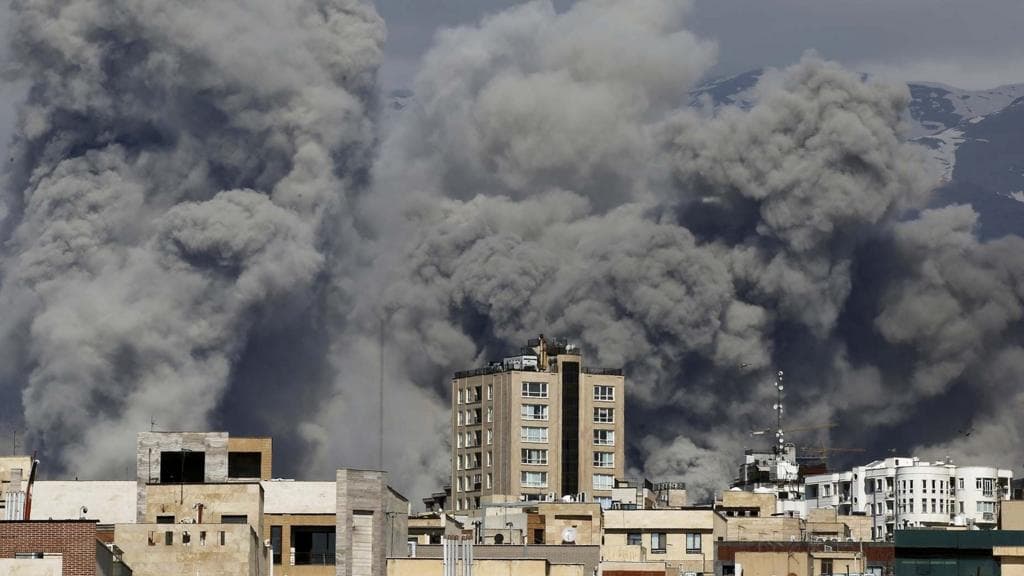
Iran Launches Retaliatory Strikes on US Bases Across the Persian Gulf
The IRGC fired over 170 ballistic missiles and 500+ drones at American military installations in Kuwait, Bahrain, Qatar, and five other countries — marking the most significant direct attack on US forces since World War II.
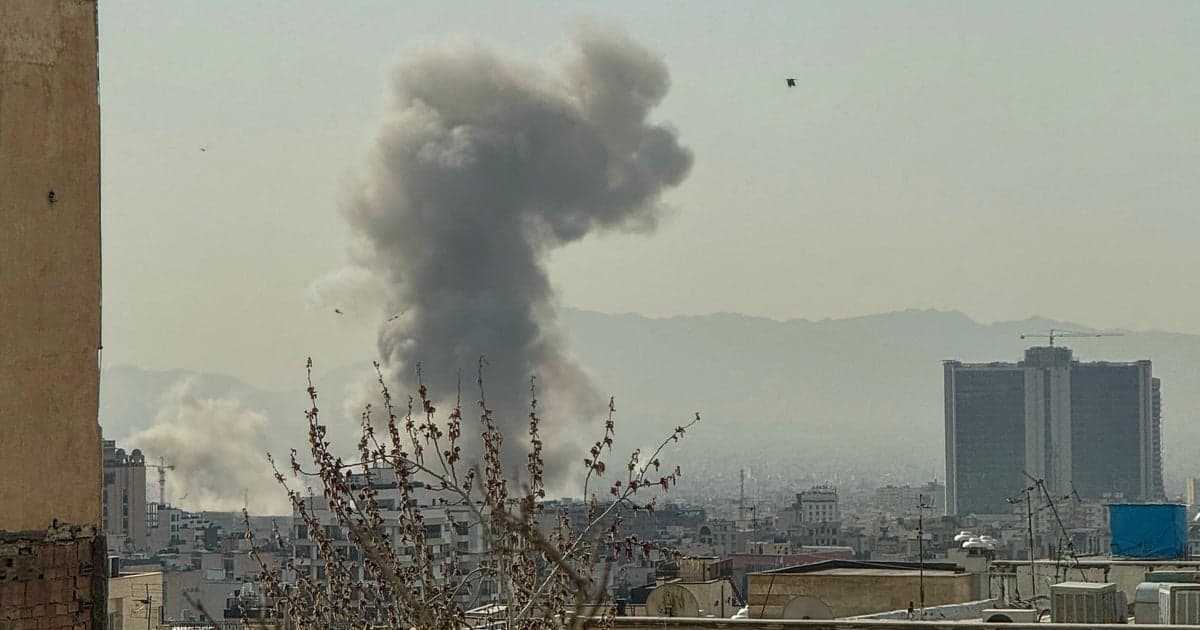
Iran Confirms Supreme Leader Khamenei Killed in US-Israeli Strikes
Ayatollah Ali Khamenei was killed in a coordinated US-Israeli airstrike on Tehran on February 28, 2026 — the first targeted killing of a sitting head of state in modern warfare. NukeClock moves 15 seconds closer to midnight.
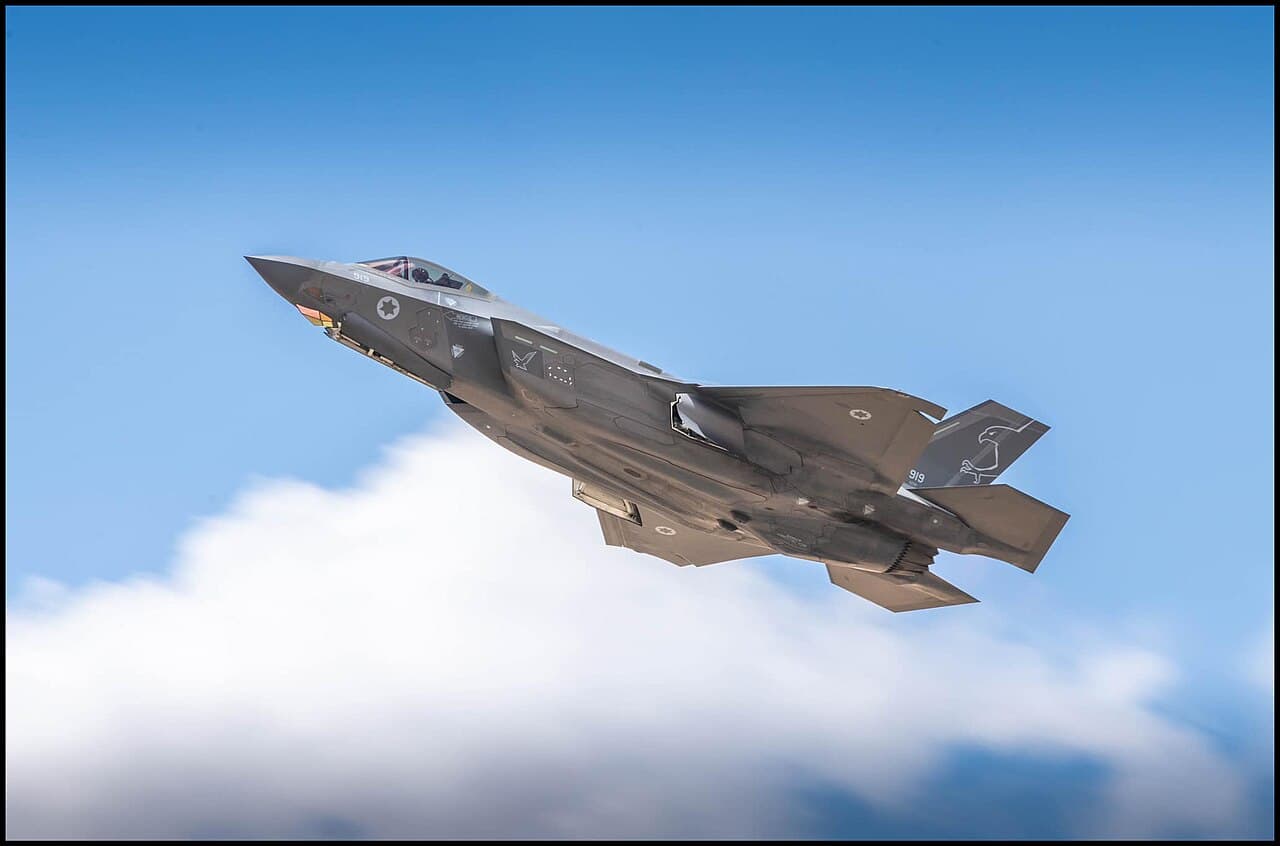
Iran vs Israel Military Power: A Complete 2026 Comparison
Iran vs Israel military power compared across every dimension — personnel, airpower, missiles, defense spending, and nuclear risk. See how these two Middle East rivals stack up in 2026.
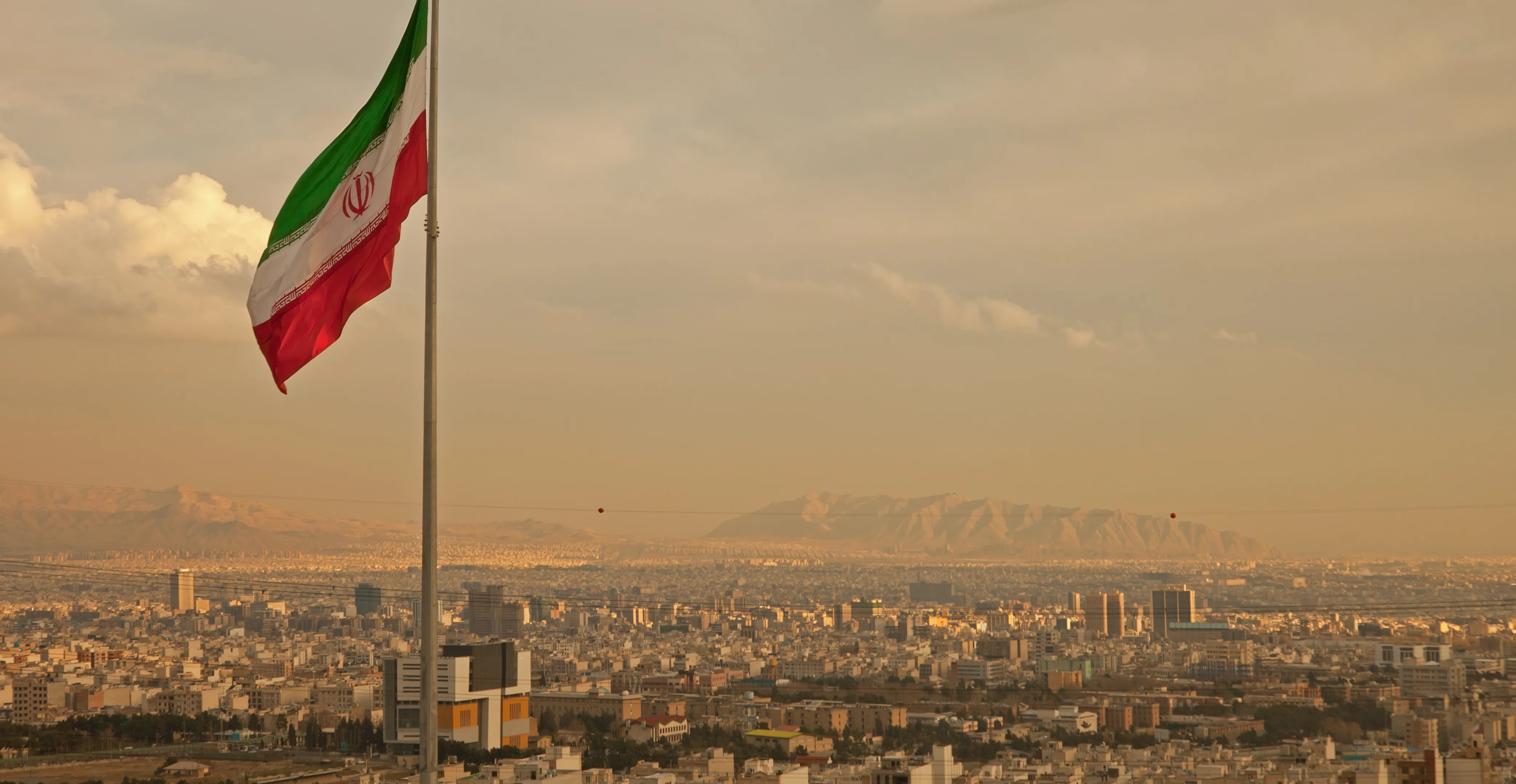
Nuclear Threat Assessment: Where the Iran Crisis Goes From Here
With Iran's leadership decapitated, nuclear facilities damaged, and US forces engaged across the Gulf, NukeClock analysts examine the three most likely escalation scenarios and what each means for the global nuclear threat level.
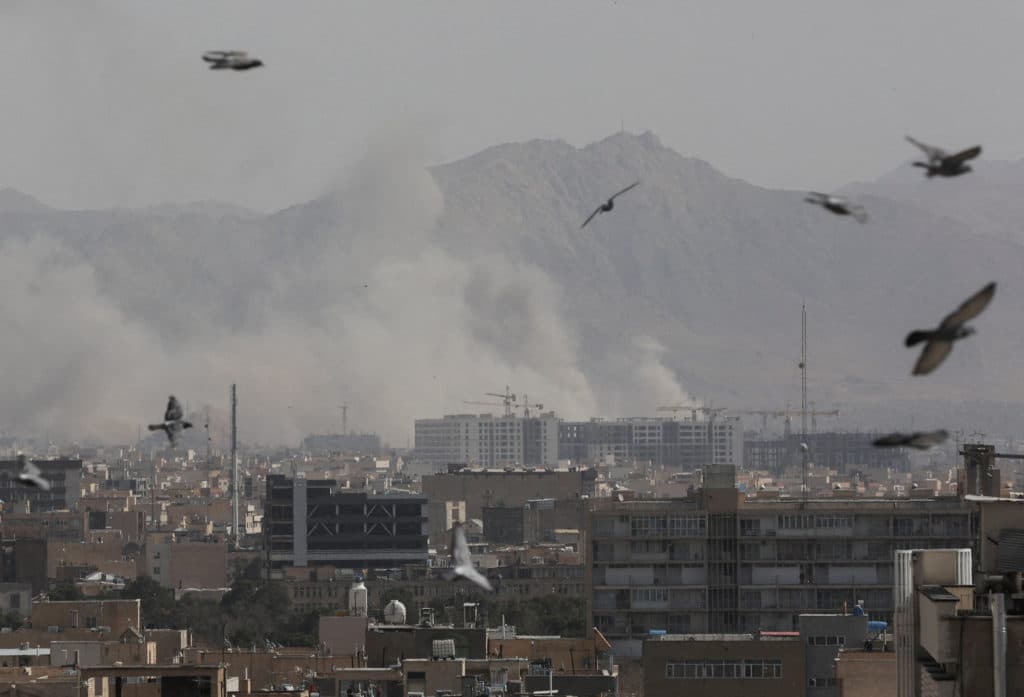
Trump Promises More Strikes on Iran as U.S. Adds to Forces in Mideast
President Trump has vowed to continue Operation Epic Fury against Iran, promising heavier strikes ahead as the Pentagon confirms ~50,000 troops and two carrier strike groups now in theater. Six U.S. service members have been killed and 18 seriously wounded on Day 3 of the conflict.
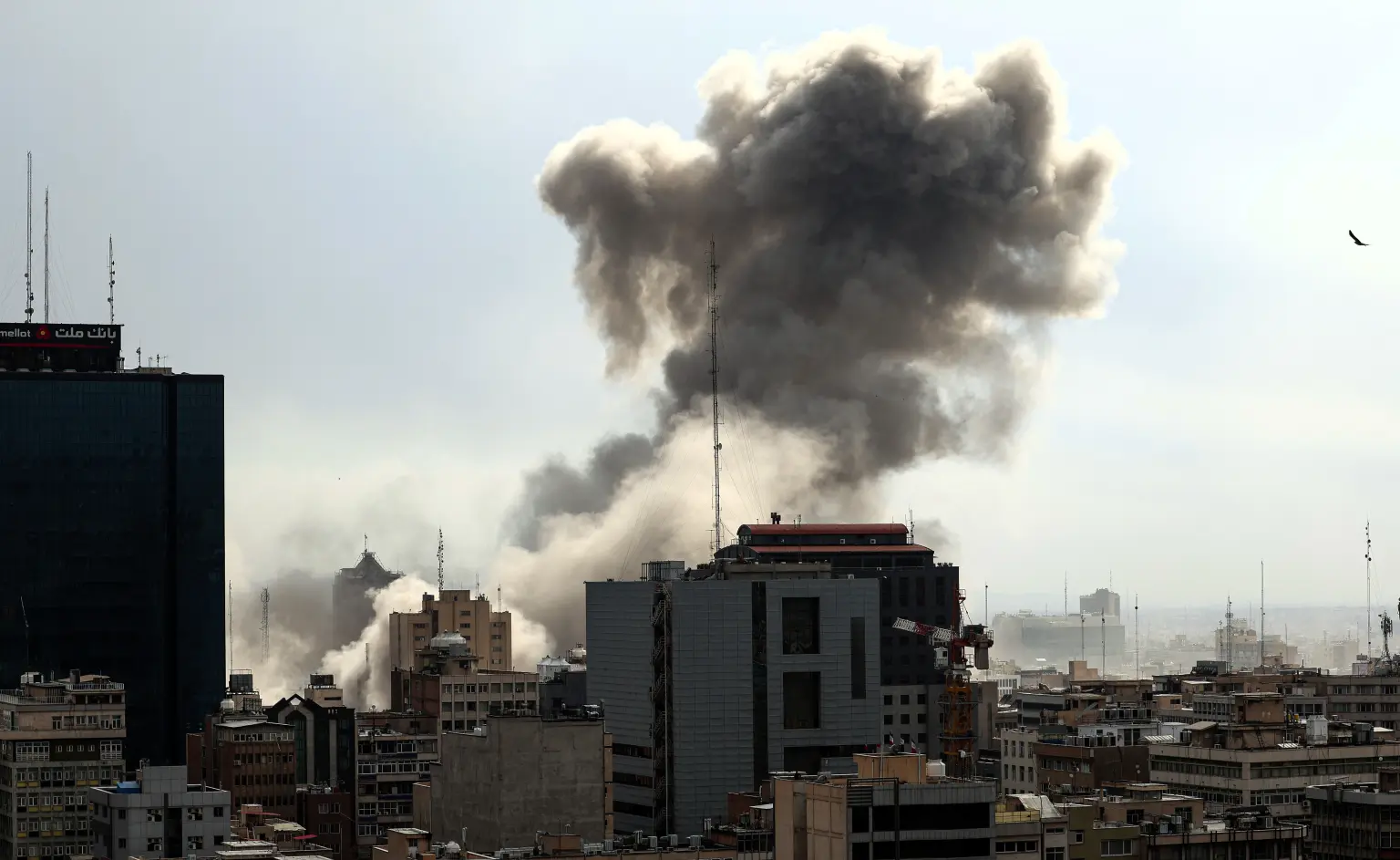
US Deploys 50,000 Troops to Middle East as Operation Epic Fury Escalates
The Pentagon confirms a massive military buildup across the Persian Gulf region as President Trump pledges continued strikes against Iran. Two carrier strike groups, 120+ aircraft, and advanced missile systems now in theater.
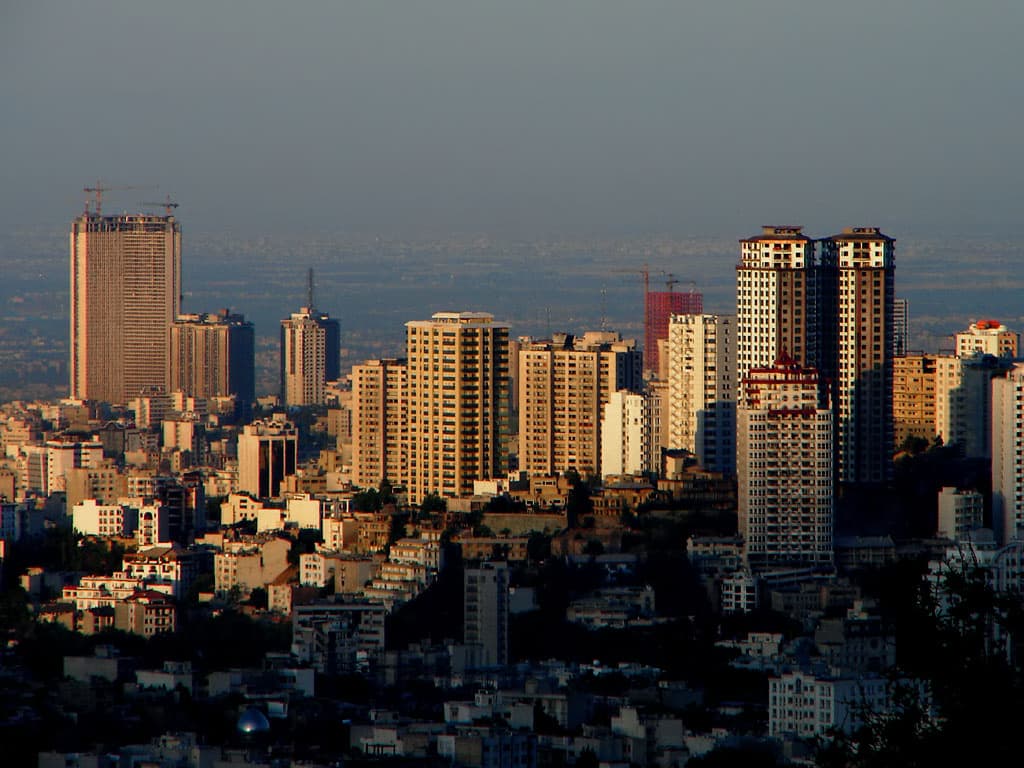
who started the iran israel war: timeline, evidence, and what the sources show
who started the iran israel war is answered with a source-based timeline: Israel launched the first June 13, 2025 strikes inside Iran, followed by Iranian retaliation and a wider US-Iran escalation track.