
US Politics & Nuclear Policy
How American domestic politics, defense policy, and leadership decisions shape global nuclear risk. Tracking the US military campaign against Iran, congressional war powers debate, and Operation Epic Fury.
Current Crisis: US-Iran Military Conflict
The United States launched a major military campaign against Iran on February 28, 2026. The operation has raised fundamental questions about executive war powers, nuclear escalation, and the limits of American military intervention:
- Feb 28 — Joint US-Israeli strikes kill Supreme Leader Khamenei; 1,000+ targets hit
- Mar 1 — 3 US soldiers killed in Iranian retaliatory strikes on bases in Kuwait
- Mar 2 — 50,000 US troops deployed; Trump pledges continued operations without defined end state
Latest Coverage
- US Deploys 50,000 Troops as Operation Epic Fury Escalates — Military buildup and congressional response
- Iran Confirms Supreme Leader Khamenei Killed — The unprecedented assassination
- Iran Launches Retaliatory Strikes on US Bases — American casualties and Hormuz closure
- Nuclear Threat Assessment: What Happens Next — Escalation scenarios
Background
The United States maintains one of the world's two largest nuclear arsenals and plays a central role in global nuclear governance. Shifts in US political leadership, defense policy, and arms control engagement directly affect the Doomsday Clock assessment.
Nuclear Modernization
The US is undertaking a comprehensive modernization of its nuclear triad — including new ICBMs, submarines, and bombers. The current conflict with Iran raises questions about the role of conventional military force versus nuclear deterrence in addressing proliferation threats.
Arms Control Engagement
US participation in bilateral and multilateral arms control agreements — such as NEW START with Russia — is a key stabilizing factor. The decision to use military force against Iran rather than pursue diplomatic solutions signals a shift in the approach to nonproliferation.
Congressional War Powers
The US-Iran conflict has reignited the constitutional debate over war powers. No formal Authorization for Use of Military Force was sought before operations began, and multiple lawmakers from both parties have introduced War Powers Resolution challenges.
Why It Matters for the Clock
As a nuclear superpower, US policy decisions have outsized influence on global nuclear risk. The decision to launch a major military campaign against a nuclear-threshold state — without defined objectives or congressional authorization — represents a significant escalation in the use of force by a nuclear power.
Related Articles
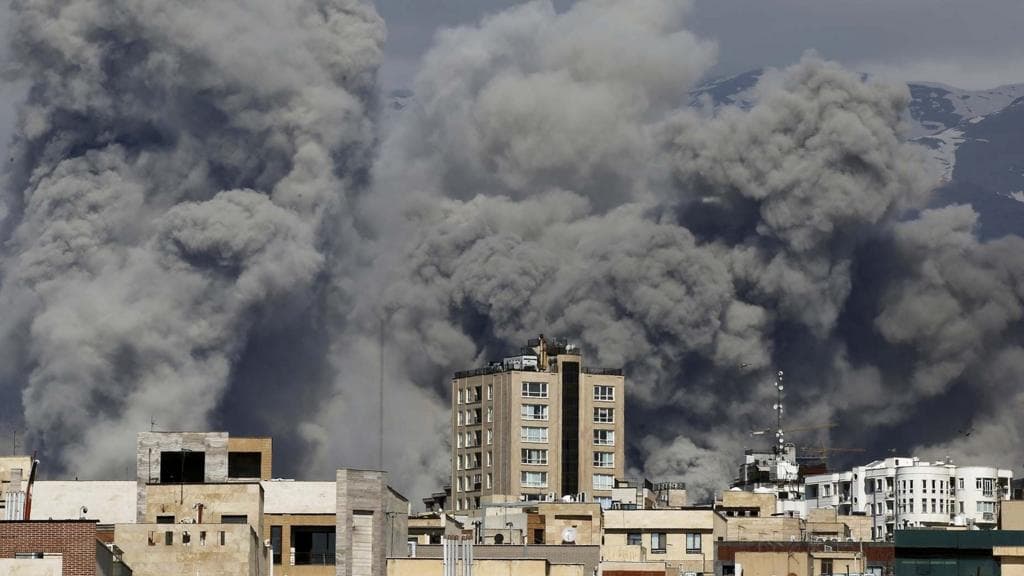
Iran Launches Retaliatory Strikes on US Bases Across the Persian Gulf
The IRGC fired over 170 ballistic missiles and 500+ drones at American military installations in Kuwait, Bahrain, Qatar, and five other countries — marking the most significant direct attack on US forces since World War II.
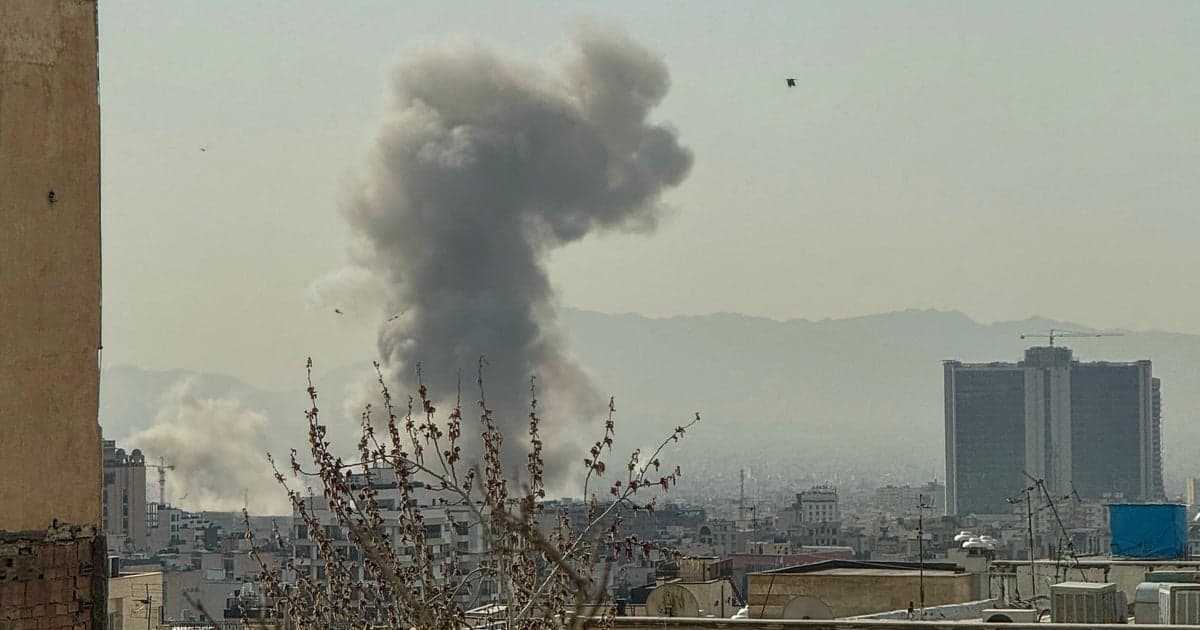
Iran Confirms Supreme Leader Khamenei Killed in US-Israeli Strikes
Ayatollah Ali Khamenei was killed in a coordinated US-Israeli airstrike on Tehran on February 28, 2026 — the first targeted killing of a sitting head of state in modern warfare. NukeClock moves 15 seconds closer to midnight.
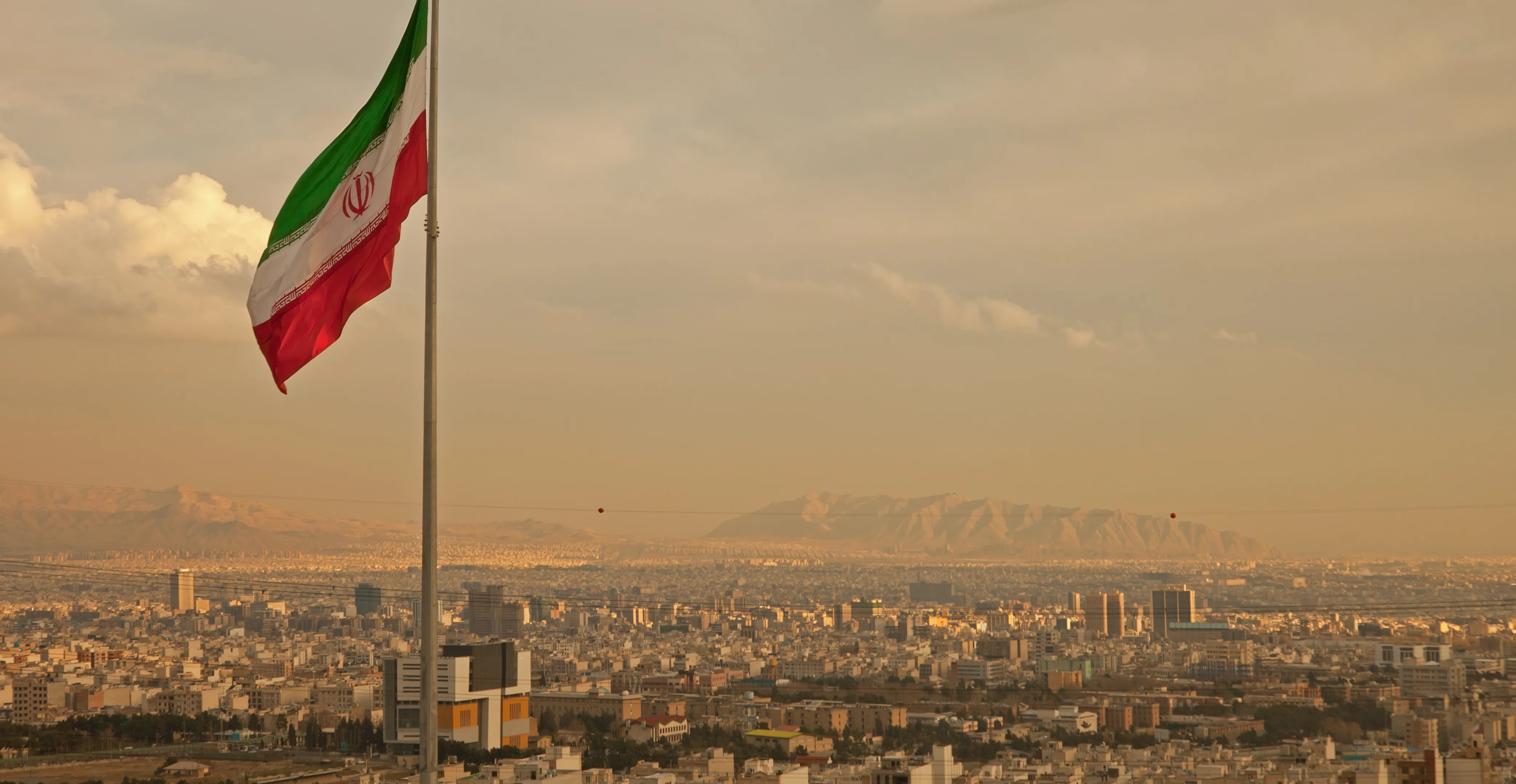
Nuclear Threat Assessment: Where the Iran Crisis Goes From Here
With Iran's leadership decapitated, nuclear facilities damaged, and US forces engaged across the Gulf, NukeClock analysts examine the three most likely escalation scenarios and what each means for the global nuclear threat level.
Naval Incident Escalates Tensions in Disputed Waters
A naval confrontation in contested territory has prompted a reassessment of nuclear risk indicators.
New Diplomatic Channel Opens Between Major Powers
A bilateral communication initiative signals potential de-escalation amid rising tensions.
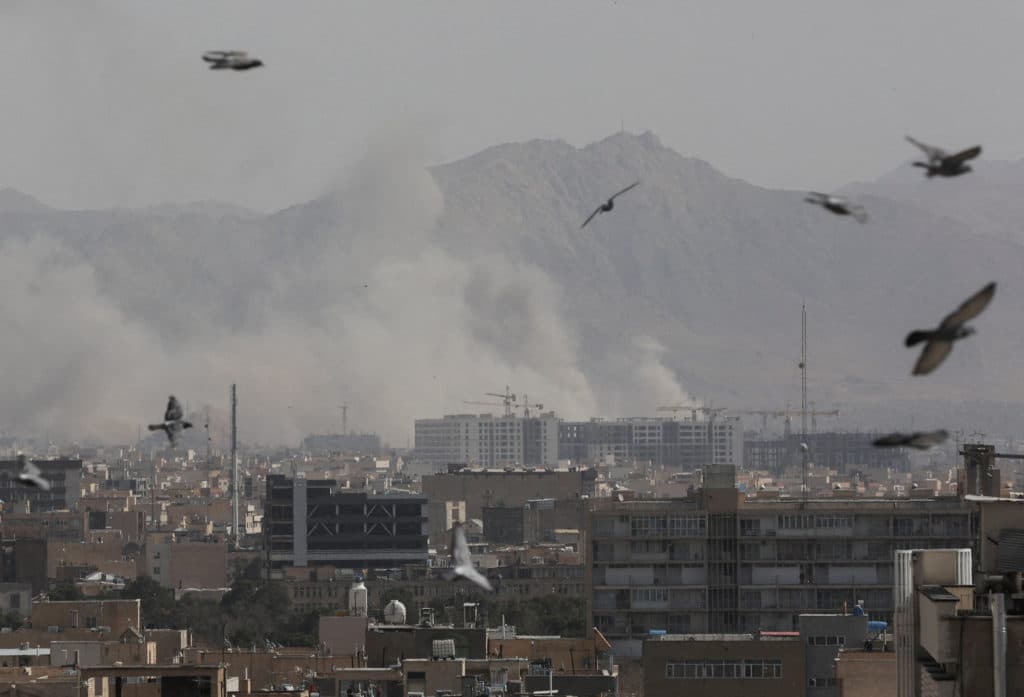
Trump Promises More Strikes on Iran as U.S. Adds to Forces in Mideast
President Trump has vowed to continue Operation Epic Fury against Iran, promising heavier strikes ahead as the Pentagon confirms ~50,000 troops and two carrier strike groups now in theater. Six U.S. service members have been killed and 18 seriously wounded on Day 3 of the conflict.
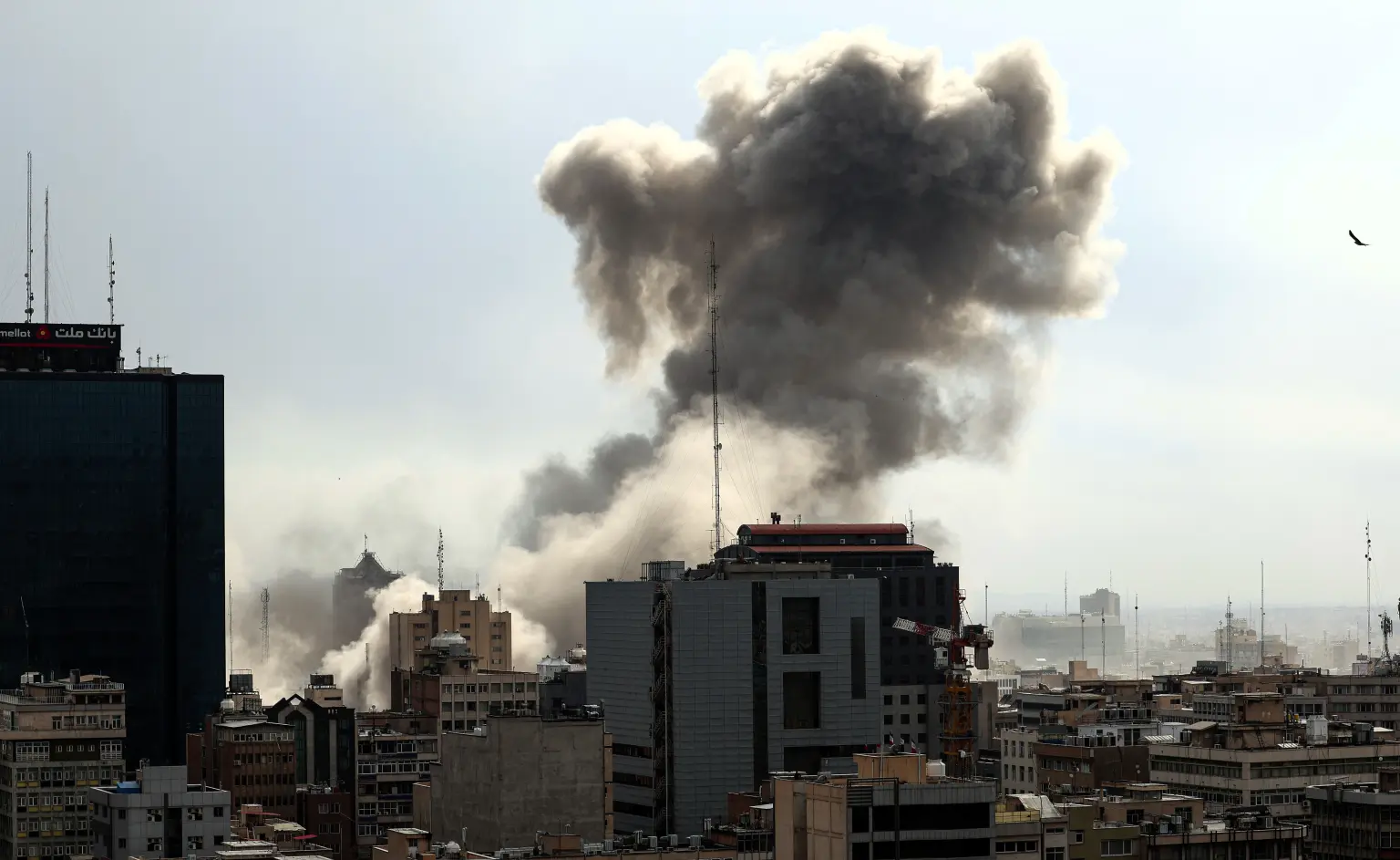
US Deploys 50,000 Troops to Middle East as Operation Epic Fury Escalates
The Pentagon confirms a massive military buildup across the Persian Gulf region as President Trump pledges continued strikes against Iran. Two carrier strike groups, 120+ aircraft, and advanced missile systems now in theater.

who started the iran israel war: timeline, evidence, and what the sources show
who started the iran israel war is answered with a source-based timeline: Israel launched the first June 13, 2025 strikes inside Iran, followed by Iranian retaliation and a wider US-Iran escalation track.